


Purpose of the Module: By completing this module, you will be able to identify different categories of waste, understand how waste interrelates with the environment, and describe both the negative and positive effects of waste on the environment.
Name and describe different categories of waste. Assessment Criteria Range: General waste, hazardous waste, biodegradable waste, recoverable waste, etc.
Describe the adverse and potentially beneficial effects of waste on the environment. Assessment Criteria: Provide descriptions of the harmful impacts (pollution, habitat destruction) and beneficial effects (composting, recycling) of waste on the environment.
Waste is any material that is no longer needed, used, or deemed as having no value. In the hotel industry, waste can come in many forms and has different impacts on the environment if not managed properly.

General Waste: Non-hazardous waste like packaging materials, paper, and food waste.
Hazardous Waste: Waste that is harmful to human health or the environment, such as chemicals and cleaning agents.
Biodegradable Waste: Organic waste that can decompose naturally, including food scraps and garden waste.
Recoverable Waste: Materials that can be recovered for recycling, such as glass, plastic, and metals.
Adverse Effects:
Beneficial Effects:
Below are some examples of waste. Identify the category they belong to:
In this module, we have explored what waste is, the various categories it can be classified into, and how it interacts with the environment. Waste, when handled improperly, can cause significant harm to both human health and natural ecosystems. However, by understanding waste categories and managing waste effectively through methods like recycling and composting, we can reduce its negative impact and even derive benefits.
Purpose of the Module: This module aims to equip you with a basic understanding of waste management principles and concepts. You will learn about the waste hierarchy and how to apply it in practical contexts, focusing on reducing waste generation, reusing, recycling, and proper disposal.
LO 2.1: Describe and explain the waste management
hierarchy.
Assessment Criteria: Understanding the hierarchy and
explaining how each step works.
LO 2.2: Respond appropriately to questions about the
application of the waste hierarchy.
Assessment Criteria: Demonstrating understanding by
answering questions on applying waste management concepts in various
scenarios.
The waste management hierarchy is a set of steps designed to minimize waste and its environmental impact. It prioritizes reducing waste production, reusing materials, recycling, and finally, safe disposal. Here's a breakdown of the hierarchy:


Based on the waste management hierarchy, how would you manage the following items at Villa Roma Boutique Hotel?

In this module, you’ve learned about the waste management hierarchy and its significance in reducing the environmental impact of waste. By following the steps outlined—avoid, minimize, separate, reuse, recycle, treat, and dispose—you can ensure waste is handled efficiently and responsibly. Applying these principles in a practical context, such as at Villa Roma Boutique Hotel, will not only reduce waste but also contribute to a healthier, more sustainable environment.

This module will help you understand the sequence of steps involved in the waste management process. You will learn how waste is generated, stored, collected, transported, treated, and disposed of. You will also gain an understanding of waste tracking documentation and its role in ensuring proper waste management.

The waste management process involves several key steps that ensure waste is handled effectively and safely. Understanding these steps is crucial for maintaining a clean and sustainable environment in a hospitality setting.
Waste is generated at various points in the hotel, such as:
• Guest Rooms: Paper, plastic, food packaging.
• Kitchen/Restaurant: Food scraps, cooking oils,
packaging.
• Housekeeping: Used linens, cleaning chemical
containers.
• Maintenance: Electronic waste, broken furniture.
Waste should be stored safely and in a manner that avoids contamination
or hazards:
• General Waste: Stored in designated bins to prevent
odors and pests.
• Hazardous Waste: Stored separately in clearly marked
containers.
• Recyclables: Sorted by material (plastic, paper,
glass) and stored in recycling bins.
Waste collection should be performed regularly to prevent accumulation.
Proper transportation ensures waste is moved to treatment or disposal
sites without causing spillage or contamination.
• General Waste and Recyclables: Collected by waste
service providers or municipal authorities.
• Hazardous Waste: Collected by certified hazardous
waste handlers with appropriate safety measures.
Different types of waste undergo specific treatment processes:
• Recycling: Materials such as glass, metal, and
plastic are collected and processed into new products.
• Composting: Organic waste (like food scraps) is
broken down naturally to create compost.
• Incineration: Some waste, such as medical or
hazardous waste, may need to be incinerated to prevent harm.

Waste that cannot be reused, recycled, or treated is disposed of in landfills or other safe disposal sites. Safe disposal ensures the least harm to the environment.
Waste tracking involves documenting the types and quantities of waste
generated and its disposal methods. This helps ensure compliance with
legal regulations and demonstrates environmental responsibility.
Tracking may include:
• Records of waste collection and disposal.
• Receipts from waste service providers.
• Documentation of hazardous waste management.

For each of the following areas in Villa Roma Boutique Hotel, identify a common type of waste generated and outline the steps of the waste management process for handling it (generation, storage, collection, transport, treatment/disposal):
1. Explain the six steps in the waste management process.
2. How should hazardous waste be stored and disposed of in the hotel
setting?
3. What is the purpose of waste tracking documentation, and how does it
benefit the hotel?
This module covered the key stages in the waste management process, from the generation of waste to its final disposal. By understanding where waste is generated, how it should be stored and transported, and the methods used to treat and dispose of it, you will be able to ensure that waste is managed efficiently and safely at Villa Roma Boutique Hotel. Waste tracking documentation is a crucial part of this process, as it helps monitor and improve waste management practices. Ensuring all steps are followed correctly will contribute to environmental sustainability and the well-being of both staff and guests.
This module will help you understand the types of special waste, including hazardous, electronic, and healthcare waste, and the appropriate procedures for handling, storing, and disposing of them. You will also learn how to respond to emergencies related to special waste in a safe and compliant manner.

Special waste refers to waste that requires specific handling due to its potential to harm human health, animals, or the environment. Special waste includes items that are flammable, toxic, reactive, or infectious, and must be managed differently than general waste.

Special waste must be reported to ensure proper handling. All incidents or improper disposal of hazardous or healthcare waste should be documented.
Identify the correct procedures for handling the following types of special waste generated in the hotel:
In this module, you have learned about the different types of special waste, such as hazardous, electronic, and healthcare waste, and how to recognize and respond to them appropriately. Proper handling, storage, and reporting of special waste is crucial to ensuring the safety of both staff and guests at Villa Roma Boutique Hotel. By following established procedures, such as emergency protocols for chemical spills and using the correct containers for hazardous waste, you can help prevent accidents and environmental damage.
This module focuses on the practical application of waste management principles and procedures. You will learn how to minimize, reuse, recycle, and dispose of waste effectively in your specific work environment, community, or home. By the end of the module, you will be able to investigate a waste stream familiar to you and demonstrate practical ways of managing it sustainably.
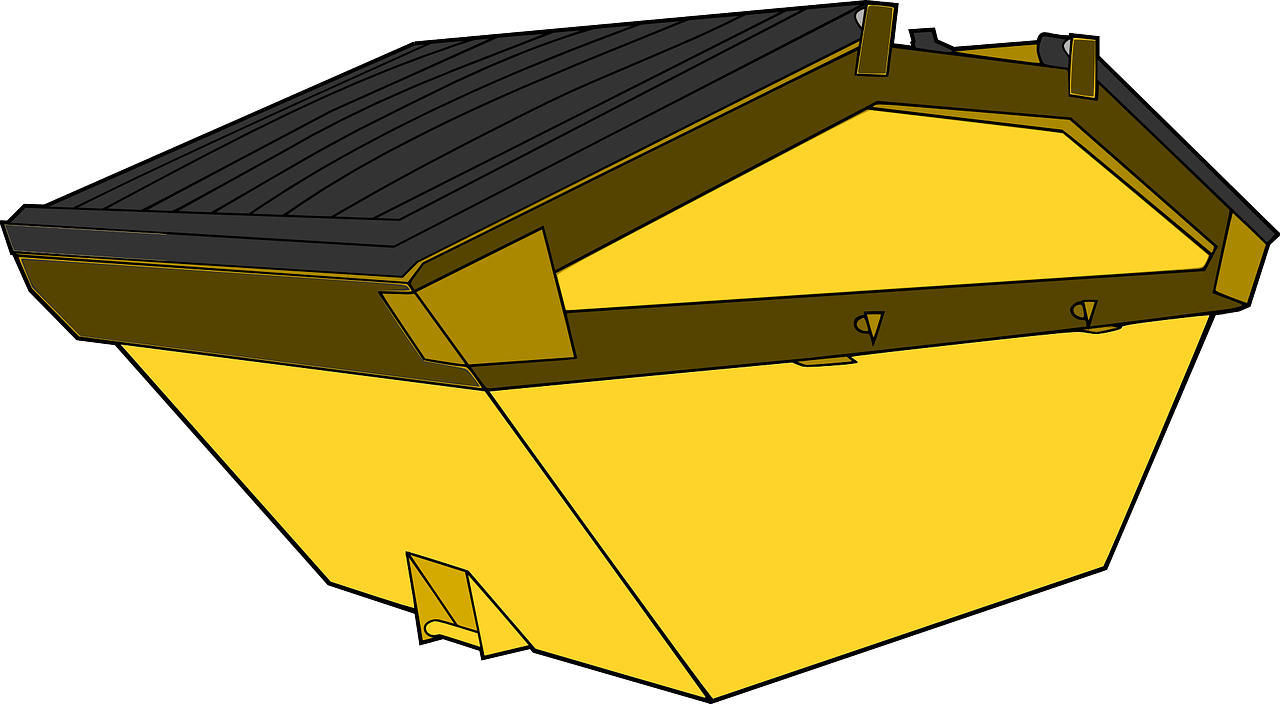
Minimizing waste means reducing the amount of waste produced in the first place. This can be achieved by making careful purchasing decisions, reducing consumption, and optimizing resource use.
Reusing materials extends the life cycle of products, preventing them from becoming waste. Reuse requires creativity and a focus on repurposing items that would otherwise be discarded.
Recycling transforms waste materials into new products, conserving resources and reducing the environmental impact. Waste materials such as paper, glass, plastic, and metal can be processed and used again.
Waste that cannot be minimized, reused, or recycled should be handled and disposed of responsibly. Proper disposal ensures that waste does not harm the environment or public health.
To apply waste management principles in your own context, you must first investigate a specific waste stream. For example, you could focus on:
Identify a waste stream in your department at Villa Roma Boutique Hotel. Describe how you would apply the following waste management principles to it:
In this module, you have learned how to apply waste management principles—minimizing, reusing, recycling, and disposing—in your work or community context. By actively identifying opportunities to reduce waste, repurpose materials, and recycle whenever possible, you contribute to a more sustainable environment. Practical application of these principles at Villa Roma Boutique Hotel helps the hotel operate more efficiently, reduces costs, and enhances its environmental responsibility. As you continue to apply these practices, you'll see positive changes in both waste reduction and the overall sustainability of the hotel.
This training manual has provided a comprehensive guide to effectively managing waste in the hospitality environment of Villa Roma Boutique Hotel. By understanding the different categories of waste, the principles of waste management, and the practical steps involved in handling and disposing of waste, you are now equipped with the knowledge to perform your job more efficiently and with care for the environment.
Throughout this manual, we’ve emphasized the importance of:
By mastering these concepts and procedures, you not only contribute to the smooth operation of the hotel but also help reduce its environmental footprint. Waste management isn’t just a legal or operational requirement—it’s part of our responsibility to protect the environment and ensure a safe, healthy workplace for all staff and guests.
Remember, the choices we make today will affect tomorrow’s environment. Whether it’s minimizing food waste in the kitchen or ensuring that hazardous materials are disposed of properly, every action you take contributes to a more sustainable future. Continue applying these principles daily, and strive to improve Villa Roma Boutique Hotel’s waste management practices through innovation, efficiency, and responsibility.
Thank you for your commitment to waste management, and for being a crucial part of Villa Roma Boutique Hotel’s journey toward sustainability!